
Homemade Fougasse
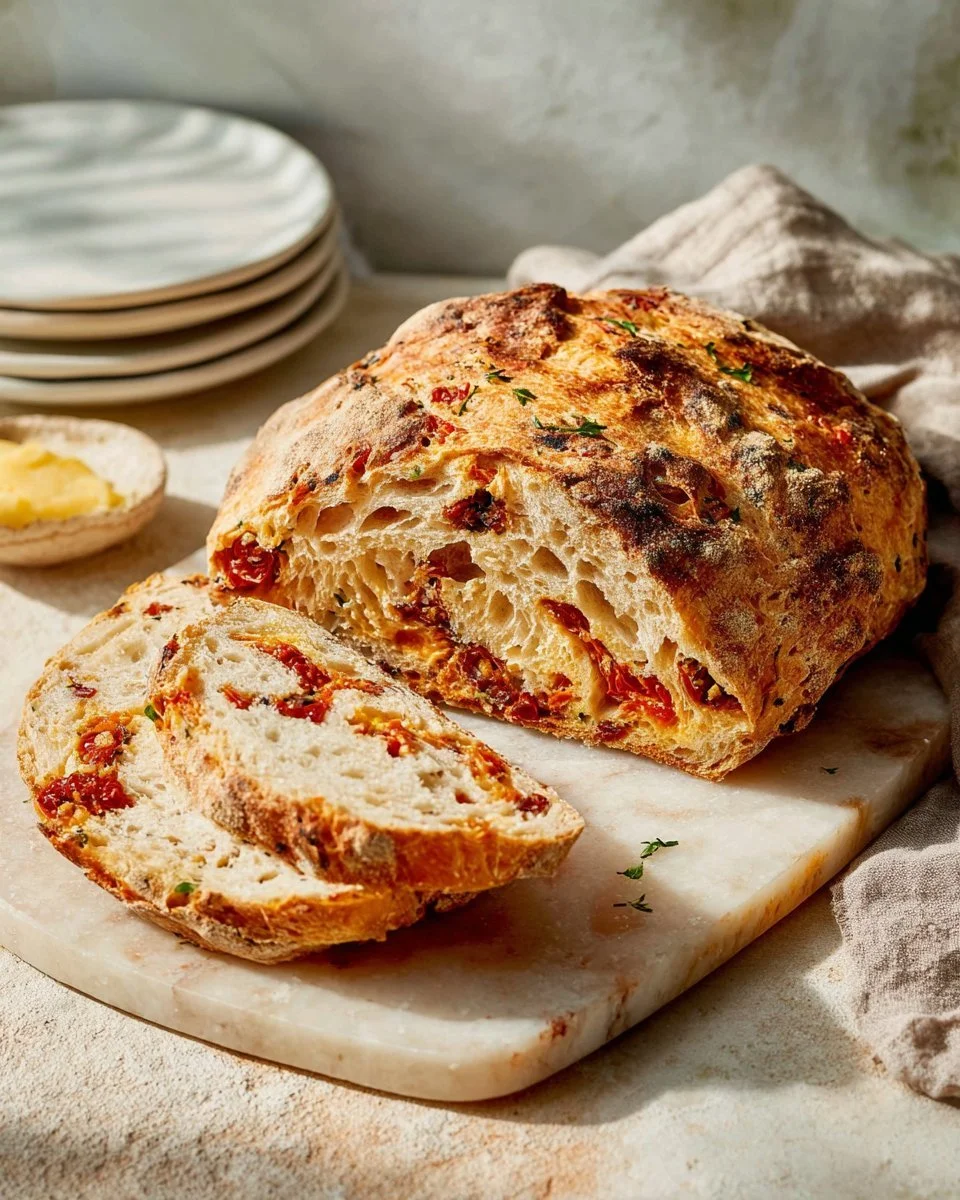
Homemade fougasse is a rustic French flatbread that looks like a crisp leaf and tastes like summer. The crust bakes up golden and slightly crunchy while the interior stays open and tender, with a nutty depth from the whole wheat flour and a fragrant olive oil finish. The aroma of fresh olive oil and baking bread fills the kitchen, and the herbs on top add a bright, savory lift. This recipe uses a simple biga preferment for extra flavor and a relaxed, hands-on shaping method that makes the process satisfying and approachable. Serve fougasse warm as an appetizer, a side for soups and salads, or sliced for sandwiches. If you love easy, shareable breads, you may also enjoy this take on homemade cheesy breadsticks and these fun easy cheesy pizza pockets for more weeknight baking inspiration.
Ingredients
- 1 cup (130g) bread flour for biga preferment — use strong bread flour for good gluten development in the preferment.
- 1/8 teaspoon instant or active-dry yeast for biga — a tiny amount is all that is needed for the long preferment.
- 1/2 cup (120g/ml) room-temperature water for biga — hydrates the biga and helps enzymatic activity for flavor.
- 1 and 1/2 cups (195g) bread flour for main dough — main structure builder for the final dough.
- 1/2 cup (65g) whole wheat flour — adds nutty flavor and a slightly denser crumb.
- 3/4 teaspoon instant or active-dry yeast for main dough — provides lift during the final ferment.
- 1 teaspoon table salt — balances flavor and strengthens dough structure.
- 1/2 cup (120g/ml) room-temperature water for dough — adjust slightly if the dough feels too dry or too sticky.
- 2 tablespoons (28g) extra-virgin olive oil — enriches the dough and gives a glossy, flavorful crust.
- Flaky sea salt and herbs (such as rosemary, thyme, or Herbes de Provence) for topping — finish for crunch and aromatic flavor.
Step-by-step Instructions
Make the biga preferment (Day 1). Whisk together 1 cup (130g) bread flour and 1/8 teaspoon yeast in a small bowl. Add 1/2 cup (120g/ml) room-temperature water, mix until combined into a shaggy paste, cover, and let rest at room temperature for 8 to 24 hours. Tip: the biga will become puffed and slightly bubbly when it is ready.
Combine dry ingredients (Day 2). In a large bowl, stir together 1 and 1/2 cups (195g) bread flour, 1/2 cup (65g) whole wheat flour, 3/4 teaspoon yeast, and 1 teaspoon salt until evenly mixed.
Add liquids and biga. Add the prepared biga, 1/2 cup (120g/ml) room-temperature water, and 2 tablespoons (28g) extra-virgin olive oil to the dry ingredients. Mix with a wooden spoon or your hands until a shaggy dough forms and there are no large dry patches.
Knead the dough. Turn the dough onto a lightly floured surface and knead by hand for about 6 to 8 minutes until smooth and slightly tacky, or use a stand mixer with the dough hook for 4 to 6 minutes. Lightly oil a clean bowl with olive oil, place the dough inside, cover, and let it rest for 45 minutes to 2 hours until it has relaxed and shows some gas bubbles.
Perform stretch and folds. Every 45 minutes, gently lift and fold the dough over itself from the four sides, rotating the bowl between folds. Repeat this cycle for a total of four folds, allowing the dough to rest in between. Tip: use wet hands to prevent sticking and maintain dough structure without aggressive kneading.
Shape and bench rest. After the last fold, shape the dough gently into a triangle or egg shape on a lightly oiled or parchment-lined baking sheet. Cover and let it rest for another 30 minutes to 2 hours until the dough feels slightly puffy but not overproofed.
Create the fougasse pattern. Make diagonal cuts in the dough with a sharp knife or bench scraper to create the leaf-like pattern, being careful not to cut all the way through. Gently open the cuts to form the classic shape. Let the shaped dough rest, covered, for another 30 minutes to 1 hour.
Preheat and top. Preheat the oven to 450°F (232°C). Brush the dough with olive oil and sprinkle with flaky sea salt and your choice of herbs such as rosemary, thyme, or Herbes de Provence.
Bake. Bake in the preheated oven until golden brown, about 20 minutes. The loaf should sound hollow when tapped and reach an internal temperature of 190 to 200°F (88 to 93°C) for a fully baked interior.
Finish and serve. If desired, brush the hot fougasse with additional olive oil before serving. Serve warm. Leftovers can be stored at room temperature for up to 2 days. For ideas on pairing this rustic bread, try serving it with a simple pasta or hearty soup like an easy homemade Spaghetti-Os with meatballs.
Recipe Details
- Prep Time: Active 20 minutes, plus preferment 8 to 24 hours, plus resting time on Day 2 2 to 6 hours.
- Cook Time: 20 minutes.
- Total Time: About 9 to 30 hours including preferment and rests; about 3 to 8 hours active on Day 2.
- Servings: 6 (one full fougasse divided).
- Calories: Approximately 275 kcal per serving (estimate).
Tips, Storage & Variations
- Tip: A sharp knife or a bench scraper makes cleaner cuts for the leaf pattern. Lightly flour the blade to prevent sticking.
- Tip: If your kitchen is cool, allow longer resting times for the dough to relax and rise. Warm, not hot, room temperature is best.
- Storage: Store cooled leftover fougasse wrapped in a tea towel or in a paper bag at room temperature for up to 2 days to keep the crust crisp. Avoid plastic storage which traps moisture and softens the crust.
- Freezing: To freeze, cool completely, wrap tightly in foil or plastic wrap, and place in a freezer bag for up to 1 month. Reheat from frozen in a 350°F oven until warmed through.
- Flavor variations using existing ingredients only: brush generously with olive oil and sprinkle with rosemary for a classic flavor, or use thyme for a subtler aroma. For a mixed herb note, use Herbes de Provence. For a richer finish, brush again with olive oil after baking. You can also try pairing slices with warm olive oil for dipping, a simple accompaniment to the flavors of this fougasse. For more savory baked bread ideas, this recipe pairs well with homemade cheesy breadsticks and these easy cheesy pizza pockets for a crowd-pleasing spread.

FAQ
How long should the biga ferment?
Allow the biga to rest at room temperature for 8 to 24 hours. Longer fermentation gives more flavor.Can I use active-dry yeast instead of instant yeast?
Yes. Both work; if using active-dry yeast, dissolve first in the water if you prefer, though it is not required for small amounts.What temperature should the oven be?
Preheat your oven to 450°F (232°C) for a good oven spring and golden crust.How do I know when fougasse is done?
It should be golden, sound hollow when tapped, and register 190 to 200°F (88 to 93°C) internally.Can I shape fougasse into other designs?
Yes. The key is to make cuts that allow the dough to open and bake into a thin, crisp shape without cutting through.Is this dough suitable for other breads?
Yes. The dough is versatile and can be adapted to flatter shapes or rolls with minor adjustments to shaping.
People Also Ask
What is fougasse and how is it different from focaccia?
Fougasse is a shaped, often leaf-like French flatbread with a thin crisp crust, while focaccia is thicker, oil-rich, and more uniformly flat with dimples.Do I need special flour for fougasse?
Bread flour is preferred for strength and chew, but the recipe specifically calls for the listed bread and whole wheat flours.Can fougasse be made without a preferment?
Yes, but the biga adds depth of flavor and a better crumb structure. You can skip it if short on time, but flavor will differ.How should I reheat leftover fougasse?
Reheat in a 350°F oven until warmed, about 8 to 10 minutes, to restore crispness.Will fougasse keep overnight?
Yes, stored at room temperature wrapped in a towel or paper bag, it stays good for up to 2 days.Can I add toppings like cheese or olives?
The recipe lists only the given topping options. Additional toppings will work but are not included in the ingredient list here.Is the dough sticky to work with?
It will be slightly tacky; lightly oil hands or the surface to manage it without adding extra flour.What is the best way to make the leaf cuts?
Use a sharp knife or scraper and make shallow diagonal cuts, then gently pull the dough to open the pattern without tearing.
Conclusion
I hope this Homemade Fougasse recipe inspires you to bake a warm, fragrant loaf that is as pretty to look at as it is delicious to eat. If you want to compare techniques or look at visual references while shaping and scoring your fougasse, consider this Homemade Fougasse (French-Style Flatbread) – Sally’s Baking and this guide on How to Make Fougasse – the French cousin of Italian Focaccia for additional tips and inspiration. Try the recipe, share your results, and enjoy the cozy satisfaction of fresh-baked bread.
PrintHomemade Fougasse

A rustic French flatbread that bakes to a golden crunch with a tender interior, flavored with herbs and olive oil.
- Prep Time: 20 minutes
- Cook Time: 20 minutes
- Total Time: 540 minutes
- Yield: 6 servings 1x
- Category: Bread
- Method: Baking
- Cuisine: French
- Diet: Vegetarian
Ingredients
- 1 cup (130g) bread flour for biga preferment
- 1/8 teaspoon instant or active-dry yeast for biga
- 1/2 cup (120g/ml) room-temperature water for biga
- 1 and 1/2 cups (195g) bread flour for main dough
- 1/2 cup (65g) whole wheat flour
- 3/4 teaspoon instant or active-dry yeast for main dough
- 1 teaspoon table salt
- 1/2 cup (120g/ml) room-temperature water for dough
- 2 tablespoons (28g) extra-virgin olive oil
- Flaky sea salt and herbs (such as rosemary, thyme, or Herbes de Provence) for topping
Instructions
- Make the biga preferment (Day 1). Whisk together 1 cup (130g) bread flour and 1/8 teaspoon yeast in a small bowl. Add 1/2 cup (120g/ml) room-temperature water, mix until combined into a shaggy paste, cover, and let rest at room temperature for 8 to 24 hours.
- Combine dry ingredients (Day 2). In a large bowl, stir together 1 and 1/2 cups (195g) bread flour, 1/2 cup (65g) whole wheat flour, 3/4 teaspoon yeast, and 1 teaspoon salt until evenly mixed.
- Add liquids and biga. Add the prepared biga, 1/2 cup (120g/ml) room-temperature water, and 2 tablespoons (28g) extra-virgin olive oil to the dry ingredients. Mix until a shaggy dough forms.
- Knead the dough. Turn the dough onto a lightly floured surface and knead for about 6 to 8 minutes until smooth, or use a stand mixer for 4 to 6 minutes. Place in an oiled bowl, cover, and let rest for 45 minutes to 2 hours.
- Perform stretch and folds. Every 45 minutes, gently fold the dough from all sides, rotating the bowl. Repeat for a total of four folds.
- Shape the dough into a triangle or egg shape on a baking sheet. Cover and let it rest for another 30 minutes to 2 hours.
- Create the fougasse pattern. Make diagonal cuts in the dough to create the leaf pattern, gently open the cuts, and rest covered for another 30 minutes to 1 hour.
- Preheat the oven to 450°F (232°C). Brush with olive oil and sprinkle with flaky sea salt and herbs.
- Bake in the oven until golden brown, about 20 minutes, until it sounds hollow when tapped.
- Finish and serve. Brush with additional olive oil if desired, and serve warm.
Notes
For best results, keep leftover fougasse wrapped in a towel at room temperature for up to 2 days. Freezing is also an option for up to 1 month.
Nutrition
- Serving Size: 1 serving
- Calories: 275
- Sugar: 0g
- Sodium: 200mg
- Fat: 12g
- Saturated Fat: 1.5g
- Unsaturated Fat: 9g
- Trans Fat: 0g
- Carbohydrates: 36g
- Fiber: 2g
- Protein: 7g
- Cholesterol: 0mg
Keywords: fougasse, flatbread, homemade, baking, French bread, rustic bread